The Future of 3D Creation: AI-Powered Generation
Summary
Table of Contents
The Future of 3D Creation: AI-Powered Generation
Imagine crafting intricate 3D models in minutes instead of hours, or transforming a rough sketch into a fully textured asset with a single click. This is no longer the stuff of science fiction—thanks to 3D AI, the creative landscape is evolving at an unprecedented pace. For 3D artists and designers, AI-powered generation tools are unlocking new levels of efficiency, creativity, and accessibility. In this blog post, we explore how AI technology is reshaping 3D modeling, the latest advancements, and how you can leverage these tools to stay ahead in the industry.
1. The Rise of 3D AI in Digital Creation
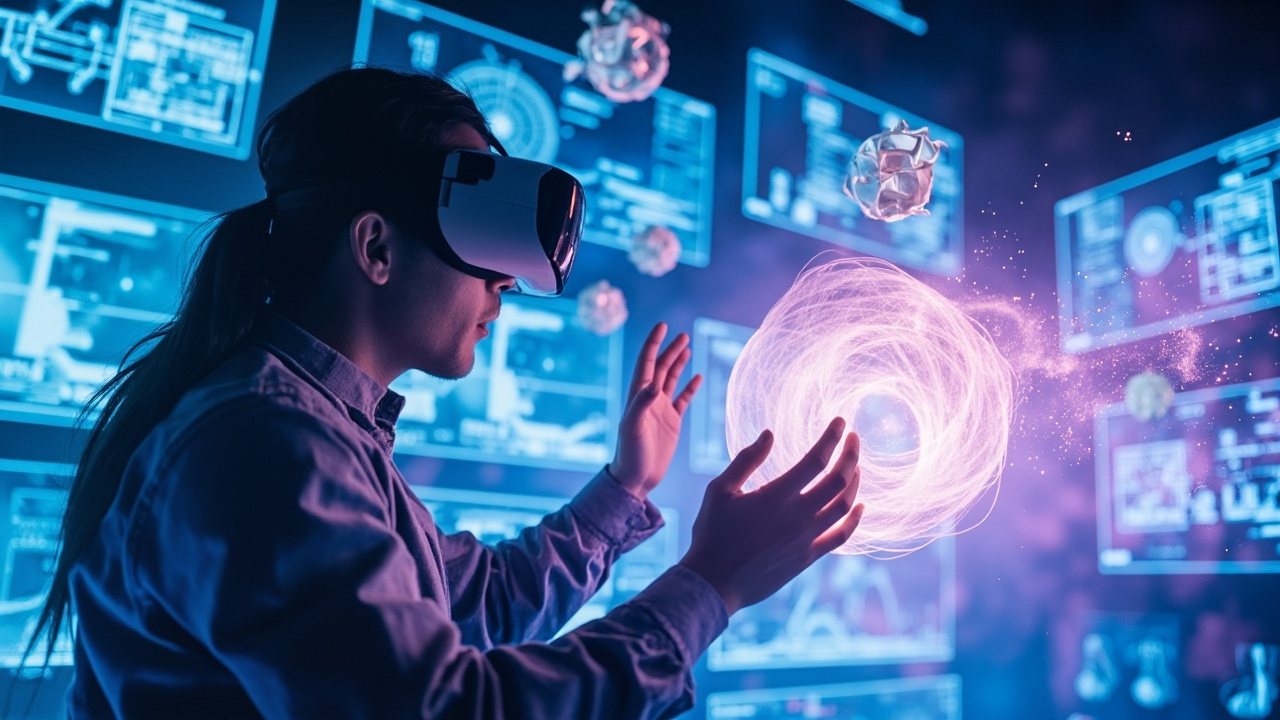
The integration of artificial intelligence into 3D modeling marks a paradigm shift in how artists and designers approach their workflows. From automating repetitive tasks to generating entire scenes from text prompts, 3D AI is rapidly becoming an indispensable tool in the creative process.
1.1 What Is 3D AI?
3D AI refers to the application of artificial intelligence and machine learning techniques to generate, enhance, or optimize 3D models and environments. Unlike traditional modeling, which requires manual manipulation of vertices and polygons, AI-powered tools use deep learning algorithms to interpret input data—such as images, sketches, or text—and produce high-quality 3D outputs.
1.2 The Benefits of AI-Powered 3D Generation
Adopting 3D AI technology offers several key advantages:
- Speed: Instant generation of assets reduces production time significantly.
- Accessibility: Lower barriers to entry for beginners without extensive modeling expertise.
- Creativity: AI can suggest variations or optimizations that human artists might overlook.
- Scalability: Ideal for generating large volumes of assets for games, virtual worlds, or simulations.
2. How AI Is Transforming 3D Modeling Workflows
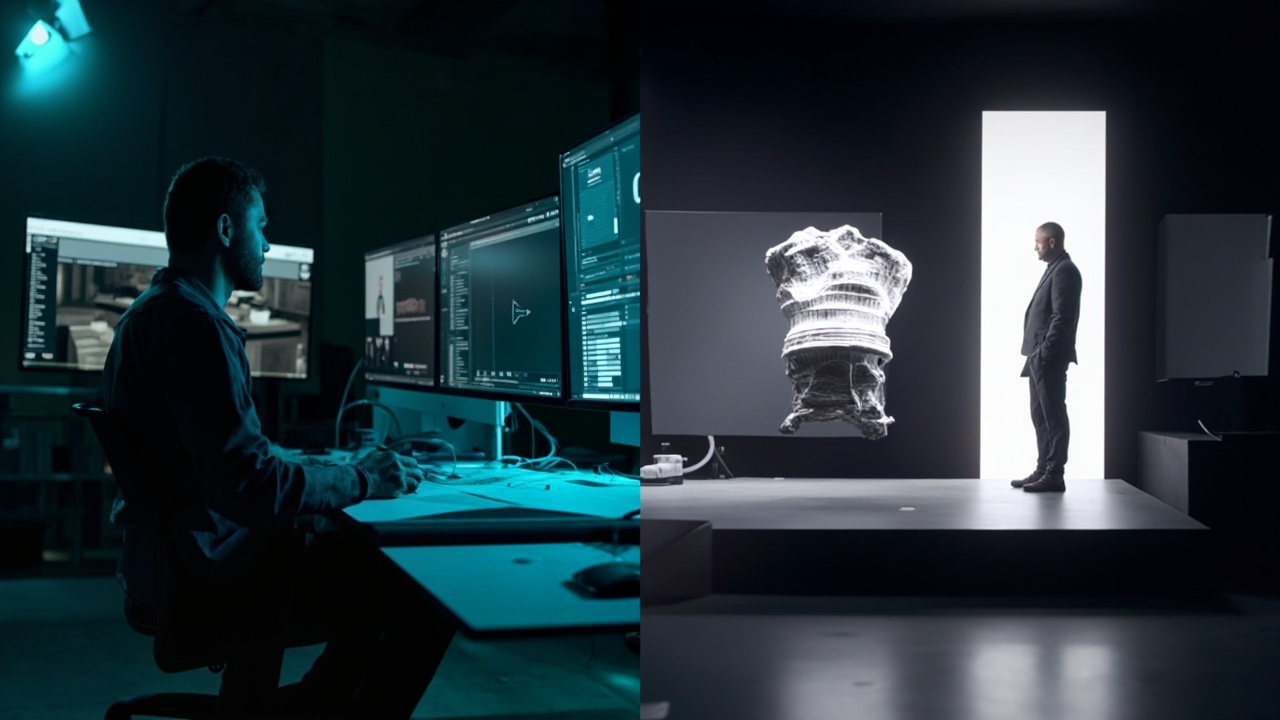
The impact of AI on 3D workflows is profound, enabling artists to focus on creativity while automating tedious processes. Below, we break down the key areas where 3D AI is making waves.
2.1 Text-to-3D Generation
One of the most groundbreaking applications of 3D AI is the ability to generate models from text descriptions. Tools like OpenAI’s Point-E and NVIDIA’s Magic3D allow users to input natural language prompts (e.g., "a futuristic spaceship with neon lights") and receive a fully textured 3D model in seconds.
2.2 AI-Assisted Sculpting and Retopology
AI is also enhancing manual modeling tasks:
- Sculpting Assistance: AI-powered brushes can predict and refine shapes in real-time.
- Automatic Retopology: Converting high-poly meshes into optimized, game-ready models is now faster with AI.
2.3 Procedural Generation with AI
Procedural generation is being supercharged by AI, allowing for the instant creation of vast, detailed environments. This is particularly useful for game developers and architects who need scalable content.
| Traditional Workflow | AI-Powered Workflow |
|---|---|
| Manual modeling from scratch | Text or image-based generation |
| Hours of retopology work | AI-driven auto-retopology |
| Limited variations | AI suggests multiple design iterations |

3. Leading 3D AI Tools for Artists and Designers
Several cutting-edge tools are leading the charge in AI-powered 3D generation. Here are some of the most notable platforms:
3.1 Kaedim
Kaedim turns 2D concept art into 3D models instantly, making it ideal for indie developers and concept artists.
3.2 Luma AI
Specializing in photorealistic 3D capture, Luma AI converts photos or videos into detailed 3D assets.
3.3 NVIDIA Omniverse
A powerhouse for collaborative 3D creation, Omniverse integrates AI tools for simulation, rendering, and asset generation.
3.4 Masterpiece Studio
Focuses on VR-based 3D modeling with AI assistance for intuitive sculpting and texturing.
4. Practical Tips for Using 3D AI in Your Workflow
While AI tools are powerful, integrating them effectively requires strategy. Here’s how to make the most of them:
4.1 Start Small
Begin with simple prompts or inputs to understand how the AI interprets your requests.
4.2 Refine AI Outputs
4.3 Combine AI with Traditional Techniques
5. The Future of 3D AI
As AI technology advances, we can expect even more sophisticated tools, such as:
- Real-time collaborative AI for team-based projects
- Emotion-aware AI that adjusts designs based on user feedback
- Full-scene generation from minimal input
Conclusion: Embracing the AI Revolution in 3D Creation
3D AI is not here to replace artists—it’s here to empower them. By automating repetitive tasks and opening new creative possibilities, AI-powered generation tools are redefining what’s possible in 3D modeling. Whether you’re a seasoned professional or a newcomer, integrating these technologies into your workflow can save time, spark inspiration, and elevate your work to new heights. The future of 3D creation is collaborative—human creativity augmented by artificial intelligence.
Ready to Transform Your Space?
Take the next step in your design journey. Explore our powerful AI tools to visualize and plan your perfect interior transformation.
Frequently Asked Questions
Find answers to common questions about this topic