Image to 3D: The New Frontier in Digital Creation
Summary
Table of Contents
Image to 3D: The New Frontier in Digital Creation
The digital art landscape is evolving at a breathtaking pace, and one of the most exciting advancements is the ability to transform 2D images into fully realized 3D models. This process, known as image to 3D conversion, is revolutionizing how digital artists create, prototype, and visualize their work. Whether you're a concept artist, game designer, or 3D printing enthusiast, this technology opens up a world of possibilities. In this guide, we’ll explore the tools, techniques, and innovations driving this digital transformation.

1. Understanding Image to 3D Conversion
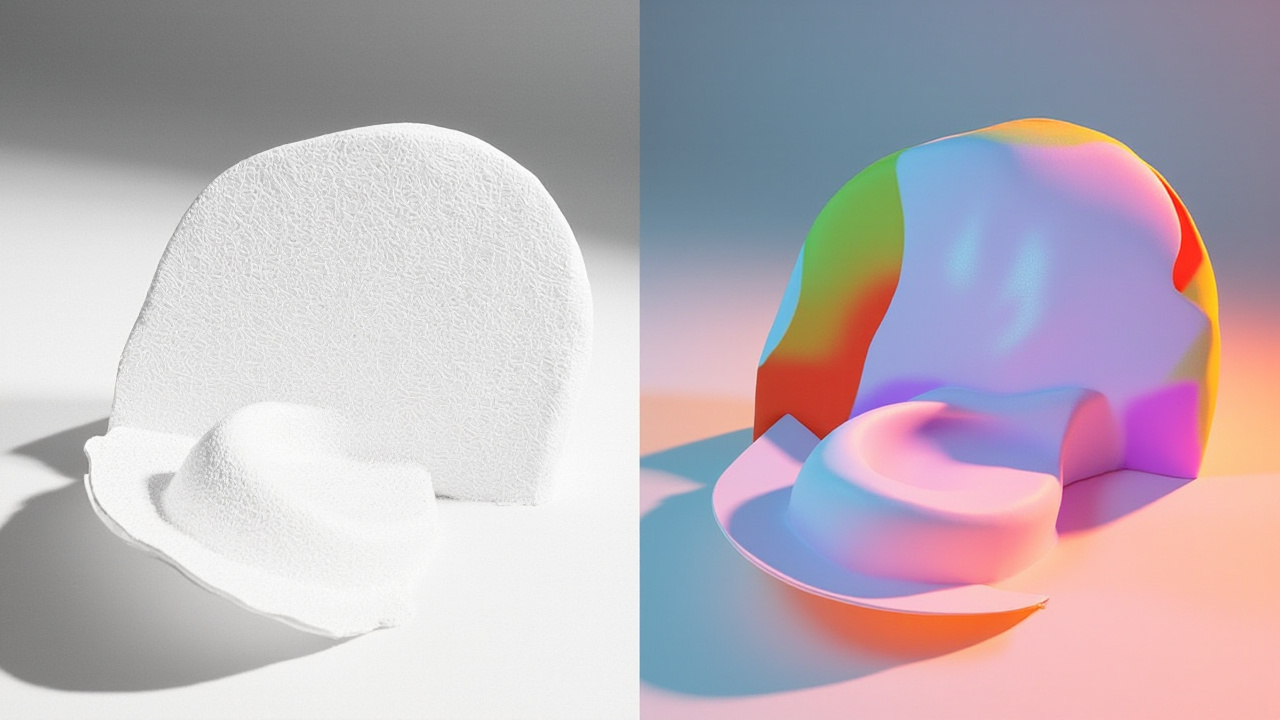
At its core, image to 3D conversion is the process of generating three-dimensional models from two-dimensional images. This can involve everything from photographs and sketches to digital paintings. The technology leverages a combination of AI technology, photogrammetry, and manual refinement to create accurate and detailed 3D assets.
1.1 How It Works: The Science Behind the Process
The conversion process typically involves:
- Depth Estimation: AI algorithms analyze the 2D image to predict depth and spatial relationships.
- Mesh Generation: A wireframe mesh is created based on the depth data, forming the skeleton of the 3D model.
- Texturing and Refinement: The model is refined with textures, lighting, and additional details to enhance realism.
1.2 Applications in Digital Art and Beyond
Image to 3D technology has diverse applications, including:
- Game Development: Quickly turning concept art into usable 3D assets.
- 3D Printing: Creating printable models from sketches or photographs.
- Virtual Reality: Populating VR environments with objects generated from reference images.
2. Tools and Technologies for Image to 3D Conversion
Several software solutions and AI technology platforms have emerged to streamline the digital conversion process. Below is a comparison of some leading tools:
| Tool | Key Features | Best For |
|---|---|---|
| Adobe Substance 3D | AI-powered mesh generation, seamless texturing | Game artists and designers |
| Blender (with AI plugins) | Open-source flexibility, depth estimation tools | Independent creators |
| RealityCapture | Photogrammetry-based, high precision | Photorealistic 3D scanning |
2.1 AI-Powered Solutions
Modern AI technology has significantly improved the accuracy and speed of image to 3D workflows. Some platforms can generate 3D models in minutes, reducing the need for manual sculpting. Examples include:
- NVIDIA Omniverse: Uses AI to enhance depth mapping and mesh reconstruction.
- Kaedim: Specializes in converting concept art into game-ready assets.
3. Practical Tips for Digital Artists
To achieve the best results with image to 3D conversion, consider these tips:
3.1 Choosing the Right Source Image
- Use high-resolution images with clear details.
- Ensure proper lighting to avoid shadows that distort depth perception.
- For photogrammetry, take multiple angles of the subject.
3.2 Optimizing Your Workflow
- Start with a rough mesh and refine progressively.
- Leverage AI tools for initial depth estimation but manually tweak key areas.
- Use UV mapping to ensure textures align correctly with the 3D model.

4. The Future of Image to 3D Technology
As AI technology advances, we can expect even more sophisticated digital conversion tools. Emerging trends include:
- Real-time conversion: Instant 3D model generation from live video feeds.
- Enhanced realism: Improved texture synthesis and lighting effects.
- Accessibility: More user-friendly platforms for beginners.
Conclusion
Image to 3D conversion is transforming digital creation, offering artists unprecedented efficiency and creativity. By leveraging AI technology and powerful software, digital artists can turn simple sketches into intricate 3D models with minimal effort. Whether you're working in game design, animation, or 3D printing, mastering these tools will keep you at the forefront of industry innovation. The future of digital art is three-dimensional—embrace it today.
Ready to Transform Your Space?
Take the next step in your design journey. Explore our powerful AI tools to visualize and plan your perfect interior transformation.
Frequently Asked Questions
Find answers to common questions about this topic