From Text to 3D: Transforming Ideas into Reality
Summary
Table of Contents
From Text to 3D: Transforming Ideas into Reality
The ability to convert text into 3D models represents a groundbreaking shift in digital creation. By leveraging AI generation and advanced 3D modeling techniques, creators and developers can now bring abstract concepts to life with unprecedented speed and precision. This guide explores the technology, workflows, and applications of text to 3D generation, providing actionable insights for professionals looking to harness this emerging creative technology.
The Evolution of Text to 3D Technology
The journey from text descriptions to fully realized 3D assets has been accelerated by advances in artificial intelligence and computational design. Early iterations relied on manual modeling based on textual briefs, but modern AI-powered tools now automate much of this process.
1.1 How AI Generation Powers Modern 3D Modeling
Contemporary text to 3D systems utilize multiple AI approaches:
- Natural language processing to interpret text prompts
- Generative adversarial networks (GANs) for asset creation
- Neural radiance fields (NeRFs) for realistic lighting and textures
- Diffusion models for iterative refinement
1.2 Key Milestones in Text-Based 3D Generation
| Year | Development | Impact |
|---|---|---|
| 2018 | First text-to-mesh prototypes | Proved conceptual feasibility |
| 2020 | Integration of CLIP models | Improved semantic understanding |
| 2022 | Commercial text to 3D platforms | Democratized access to technology |
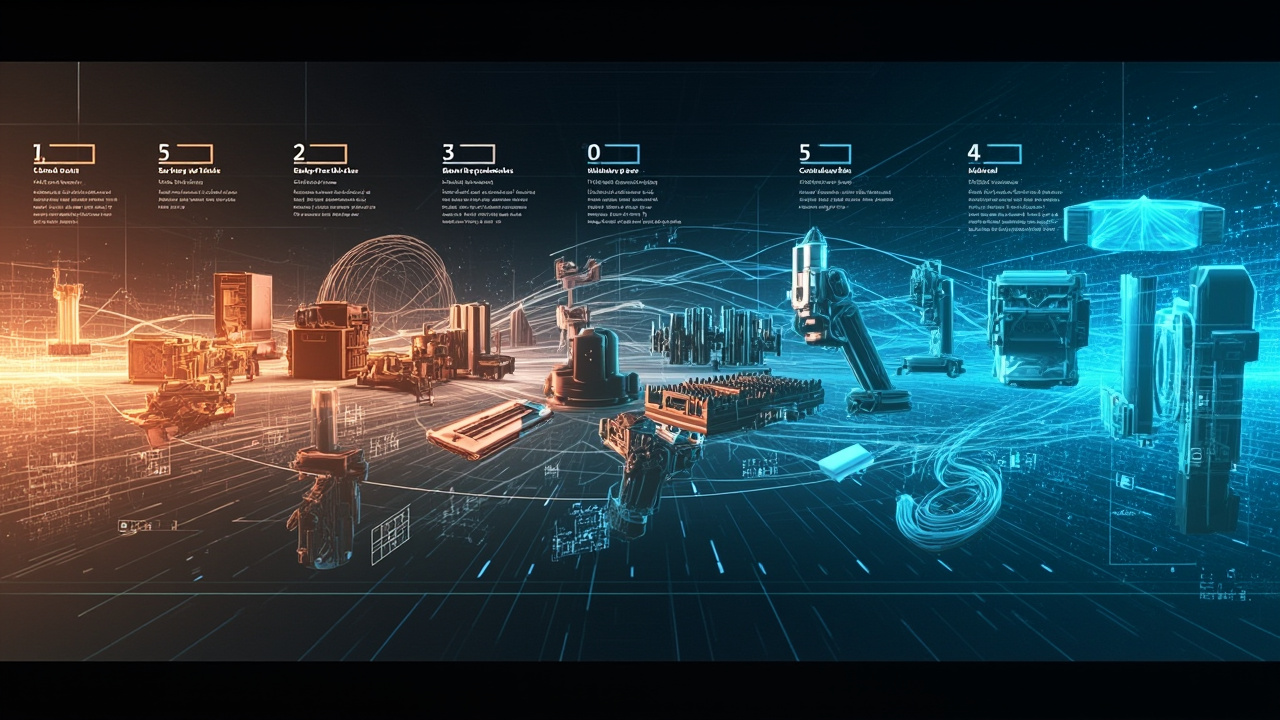
Current Text to 3D Workflows and Tools
Modern workflows combine AI automation with traditional modeling techniques to ensure both speed and quality in 3D asset creation.
2.1 The Standard Text to 3D Pipeline
- Input: Text prompt detailing desired 3D model
- Interpretation: AI analyzes semantic meaning and visual references
- Generation: Base mesh creation with approximate geometry
- Refinement: Detail enhancement and texture application
- Output: Export in standard 3D formats (OBJ, FBX, GLTF)
2.2 Leading Text to 3D Platforms
Several platforms have emerged as leaders in this space:
- Kaedim: Specializes in product and character generation
- Masterpiece Studio: Focuses on VR/AR ready assets
- NVIDIA Omniverse: Integrates with existing design pipelines
Practical Applications for Creators and Developers
The applications of text to 3D technology span multiple industries and creative disciplines.
3.1 Accelerating Game Development
Game studios are using text to 3D to:
- Rapidly prototype environments and props
- Generate variations of common assets
- Create placeholder models during pre-production
3.2 Architectural Visualization
Architects and designers benefit from:
- Instant 3D massing from textual descriptions
- Quick iteration on design concepts
- Automated generation of entourage elements
Optimizing Text to 3D Results
To achieve the best results from text to 3D systems, professionals should follow these guidelines.
4.1 Crafting Effective Prompts
Key elements of successful text prompts:
- Clear object specifications (size, style, era)
- Material descriptions (wood, metal, fabric)
- Functional context (is the object decorative or functional?)
- Precision in proportions and relationships
4.2 Post-Generation Refinement
- Topology optimization for animation
- UV unwrapping for custom textures
- Lightmap optimization for real-time rendering
- LOD (level of detail) creation
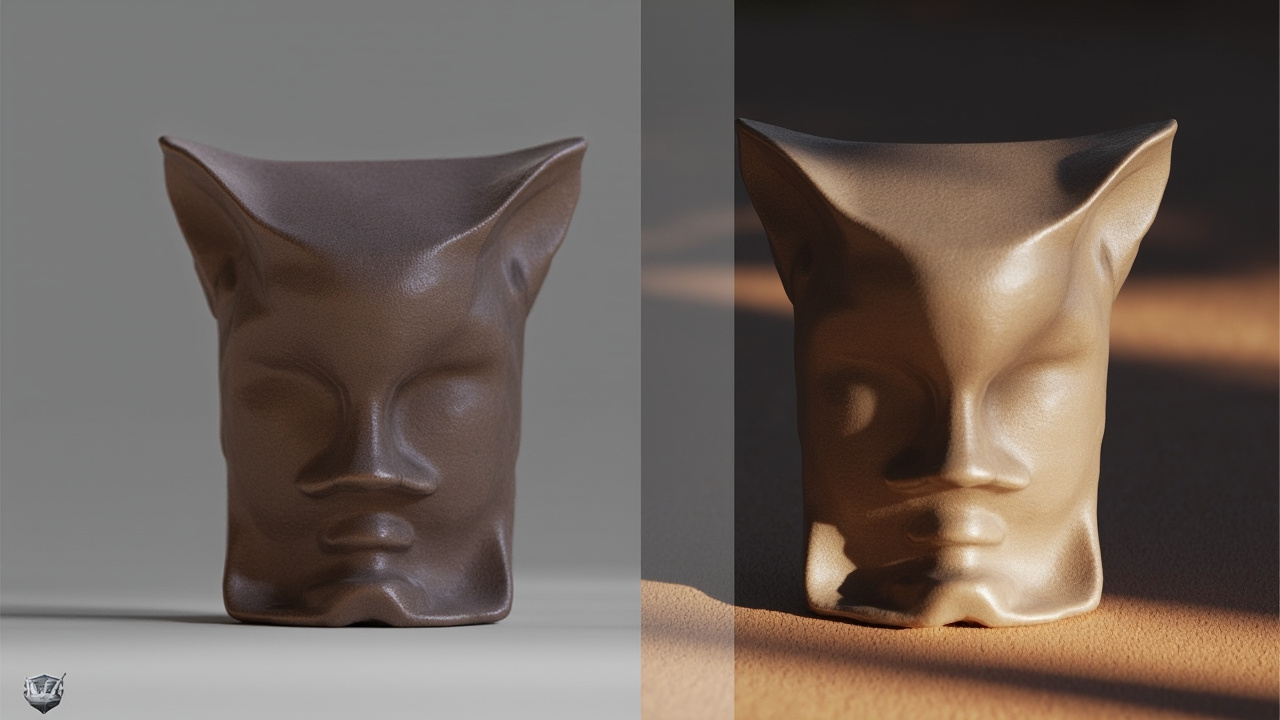
Future Directions in Text to 3D Technology
The field continues to evolve rapidly, with several promising developments on the horizon.
5.1 Emerging Technical Capabilities
Near-future advancements include:
- Physics-aware generation (understanding object behavior)
- Procedural material synthesis from text
- Animation-ready rigging from descriptions
5.2 Integration with Other Creative Technologies
Text to 3D will increasingly intersect with:
- Virtual production pipelines
- Generative design systems
- Real-time rendering engines
Conclusion
The transformation from text to 3D represents a fundamental shift in digital content creation. By combining AI generation with traditional 3D modeling expertise, creators and developers can dramatically accelerate their workflows while exploring new creative possibilities. As the technology continues to mature, professionals who master these tools will gain significant competitive advantages in fields ranging from game development to product design. The key to success lies in understanding both the capabilities and limitations of current systems, while staying informed about rapid advancements in this exciting area of creative technology.
Ready to Transform Your Space?
Take the next step in your design journey. Explore our powerful AI tools to visualize and plan your perfect interior transformation.
Frequently Asked Questions
Find answers to common questions about this topic